

Influencer Marketing: Why Micro-Influencers Drive More Sales Than Big Names
Brands today have endless ways to advertise. But one strategy keeps standing out. Influencer marketing. Here’s the twist. Instead of working with one or two famous names, what if a brand partners with many smaller voices? The result is often surprising.
Real People and Real Trust
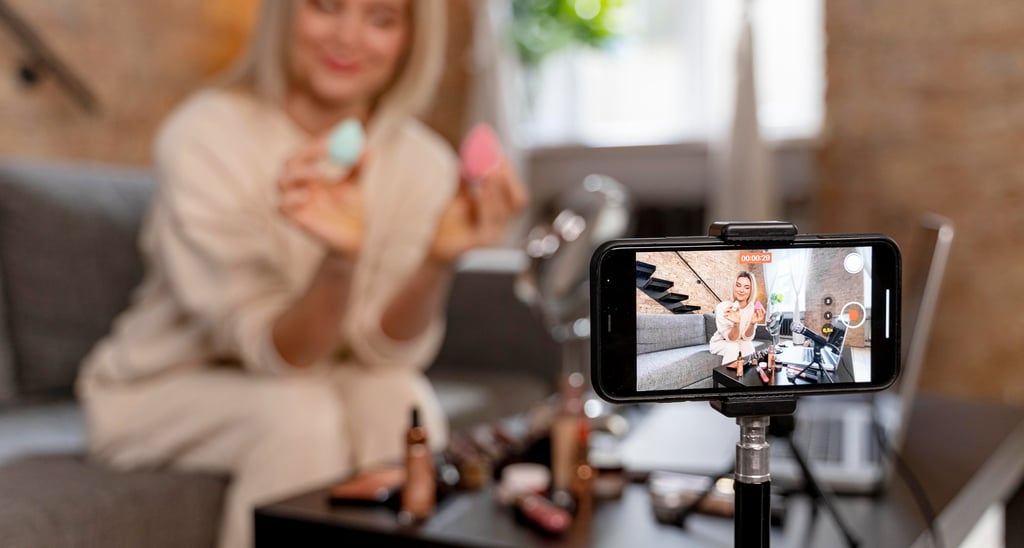

Big influencers often feel like businesses themselves. Their feeds are full of ads and collaborations. Followers know it is part of the job. Micro-influencers are different. They usually focus on one passion such as beauty, fitness, sustainability, or lifestyle. Their posts feel personal. Their recommendations feel real.
Research shows that Instagram accounts with 10K–100K followers get almost double the engagement of million-plus accounts. People do not just scroll past. They stop, read, and interact.
Smaller creators often have close and loyal communities. A good example is Gymshark, a fitness apparel brand from the UK. In the beginning, Gymshark did not have a big advertising budget. Instead of hiring celebrities, they worked with fitness micro-influencers who trained in different gyms and shared their daily routines. These influencers were real people who loved fitness. Their followers trusted them. What started as a small local promotion grew into a global movement. Today Gymshark is one of the fastest-growing fitness brands, and much of that success came from building trust through micro-influencers.
Communities That Care


Speaking to the Right Crowd
Big influencers reach millions. But their audiences are broad and mixed. Micro-influencers reach specific groups. Glossier, a cosmetics brand from the US, built its growth on this idea. Instead of focusing on a few big names, Glossier worked with hundreds of smaller creators. Each spoke to a niche community. Some focused on vegan skincare fans. Others spoke to minimalist makeup lovers. This approach allowed Glossier to connect with many different groups in a personal way. The result was stronger relationships and loyal customers who felt the brand understood their needs.
Easier on the Budget and More Flexible
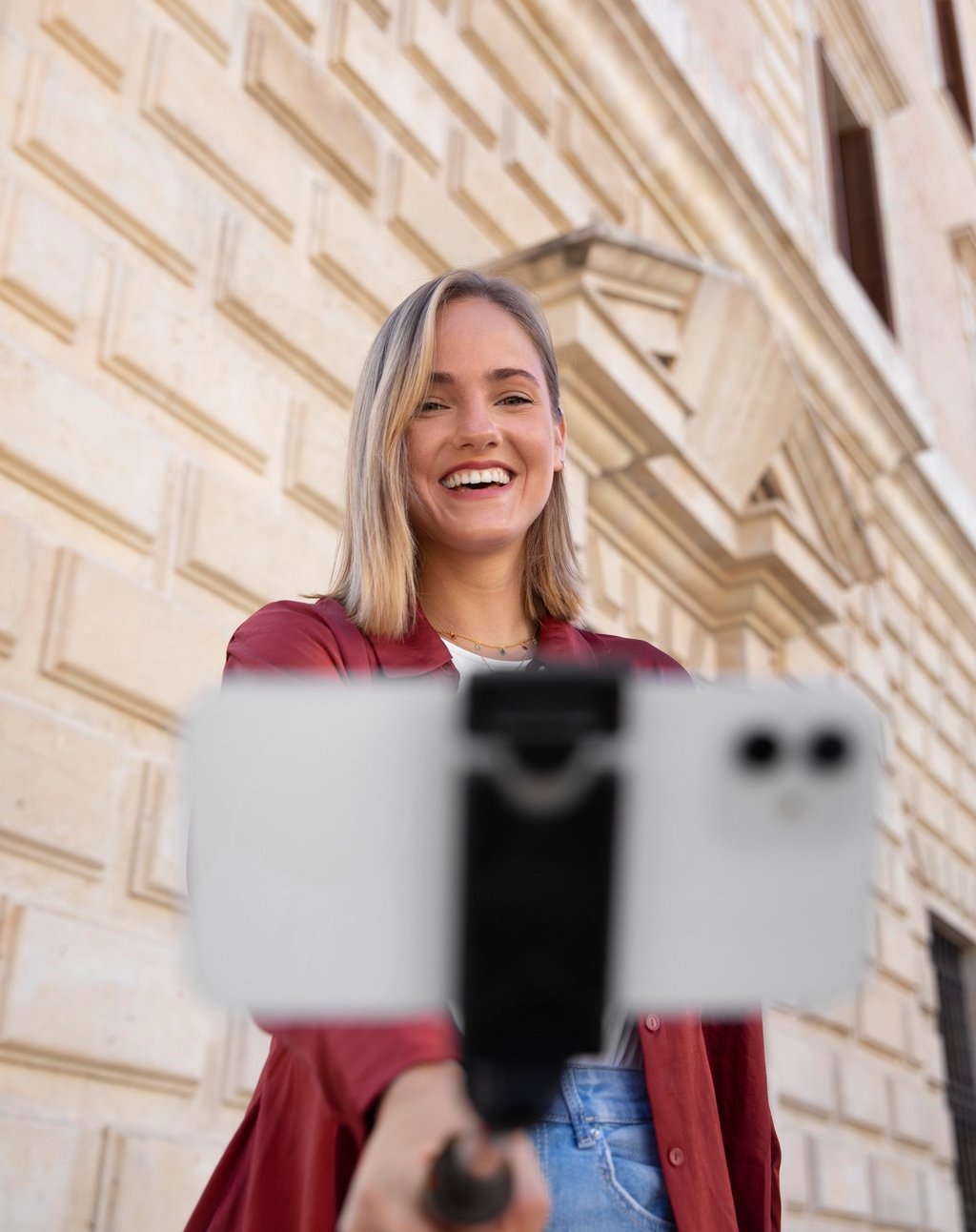
Working with a top influencer can cost tens of thousands for one campaign. That may improve brand awareness but not always sales. Micro-influencers are more affordable and more flexible. Daniel Wellington, a Swedish watch and accessories brand, is a strong example. Instead of paying a few celebrities, they worked with thousands of micro-influencers worldwide. Each influencer shared photos wearing the watches and often gave discount codes to their followers. This generated a massive promotion. The strategy helped Daniel Wellington grow from a small company into a global fashion brand.
Stronger Together
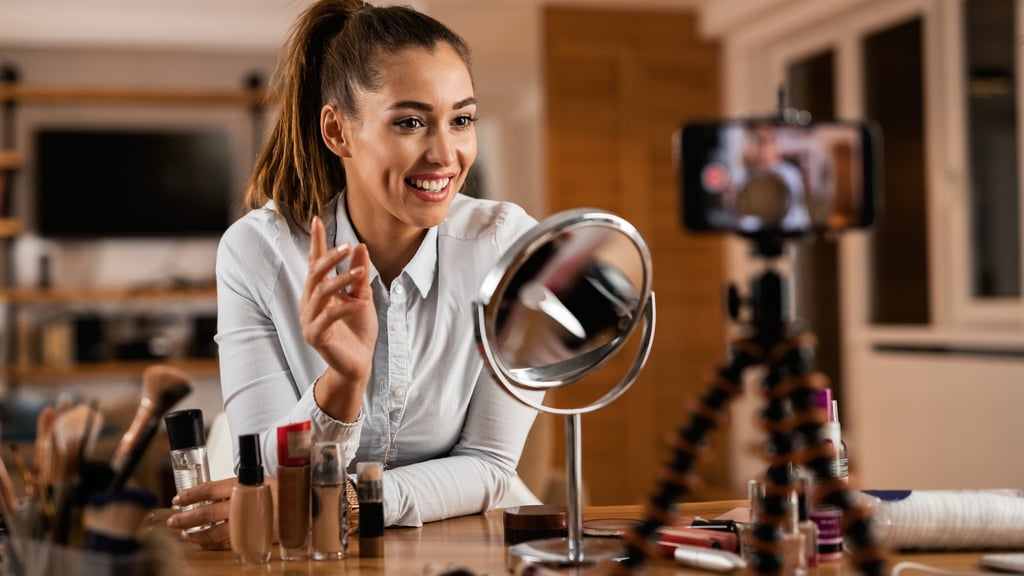
Micro-influencers are most powerful as a group. One creator sparks curiosity. Another drives people to try the product. A third encourages followers to share their own stories. Together, they create a ripple effect. HelloFresh, a meal kit subscription service, used this method in the food niche. They partnered with many food and lifestyle micro-influencers who showed how easy it was to cook with HelloFresh boxes. Followers saw real people preparing meals in their own kitchens. This made the service feel practical and trustworthy. As a result, HelloFresh became a household name in many countries.
Micro-influencers bring something special. They build trust. They create higher engagement. They reach the right people. They cost less. And together, they create a bigger impact than one celebrity ever could. Ready to see what micro-influencers can do for Your brand? Connect with us at thenoru.com and let’s craft an influencer strategy that drives real results.
Contacts
© 2026. Noru kūrybinio marketingo agentūra
Šeimyniškių St. 18-1, Vilnius, Lithuania
Let’s stay in touch